
COLUMBIA, Mo. – Late summer and fall are good times to locate potential entry areas around your home or buildings and take action to prevent snakes, rodents and other nuisance critters from accessing these areas, says Robert Pierce, University of Missouri Extension state wildlife and fisheries specialist.
From late August through early October, snakes are moving around, looking for shelter, food or spots to spend the winter. In addition, young from species of nonvenomous snakes, such as western rat snakes and prairie kingsnakes, hatch from eggs during the late summer and will be on the move.
“Few animals are more disliked or misunderstood than snakes,” Pierce says. “Irrational fears and feelings that people have about snakes come from misunderstandings and superstitions handed down from one generation to another. Snakes are not mysterious at all, and their colorful, fascinating life histories do not justify the anxiety many people feel about them.”
Pierce notes that snakes are beneficial to have around: They eat a variety of foods such as insects, slugs, worms, and rodents such as rats, mice and voles, as well as provide food for predators, such as hawks.
Many times, humans are not even aware of snakes, such as in their gardens and flower bed. Snakes don’t limit their house-hunting activities to winter. They are also seek out cool, dark and moist places in the summer, such as crevices between rocks, trees and house vents.
But these summer retreats can lead to attics, crawl spaces, garages and other entry ways into your home.
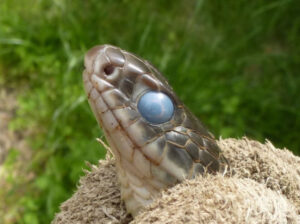
Pierce says there are some things you can do to make your home less inviting.
Reduce the cover that attracts snakes. Store firewood at the back of your property, not up against your home’s foundation. Remove brush piles near your home. Cut back shrubs growing next to a foundation, and keep grass mowed.
Seal visible cracks and crevices around pipes and dryer vents. Use expanding foam or mesh hardware cloth. Repair cracks in mortar or your home’s foundation.
Be aware of what snakes are common in your area. Know what species are likely to be found and that are commonly observed. Proper identification is important. Pierce recommends “A Guide to Missouri Snakes” published by the Missouri Department of Conservation and available as a free PDF at https://mdc.mo.gov/magazines/freepubs/guide-missouris-snakes.
Don’t leave pet food bowls out overnight. This attracts unwelcome animals such as rodents, raccoons, opossums and skunks.
Keep bird feeders away from your house. Dropped seed attracts rodents and other animals, which, in turn, attract snakes. Store extra birdseed in metal containers.
Deal with underlying rodent issues. Snakes may come indoors because they’re following a food source, such as rodents. Inspect the area to see if you have a hidden rodent issue. Eliminating the rodents will encourage the snake to hunt elsewhere.
What to do if you find a snake in your house
If you find a snake indoors, the snake is likely just as scared as you are and wants nothing better than to escape, says Pierce. Follow these tips for removal:
Try to keep the snake contained in one room, if possible. Roll up a towel to keep it from slipping out under the door. If it’s hiding under something like furniture, you can set out a rumpled wet towel which may attract it so you can reach the animal.
Trap it in a bucket or box. Use a 5-gallon bucket or large moving box and gently coax it into the container with a broom or other object. If it’s a large snake, you’ll probably need to cover the bucket, so it doesn’t wriggle out as you’re moving it outdoors. Make sure to seal any openings into your home so the snake doesn’t return.
Call a reliable wildlife or pest control professional for assistance if needed.