
JEFFERSON CITY—Native pollinating insects are a diverse group that includes bees of all sizes, flies, wasps, beetles, butterflies, and moths. Without them, life as we know it would cease to exist.
The State of Missouri recently joined a growing list of entities acknowledging and educating others on the vital role of pollinators to life on earth, when, at the request of the Missouri Prairie Foundation, Governor Mike Kehoe signed a proclamation officially declaring June 22–28 as 2026 Missouri Pollinator Week.
The proclamation recognizes that pollinator species provide significant benefits necessary for maintaining vibrant ecosystems and a healthy economy. The Missouri Prairie Foundation is a 60-year-old nationally accredited land trust that protects remaining prairie, home to a great abundance and diversity of pollinating insects.
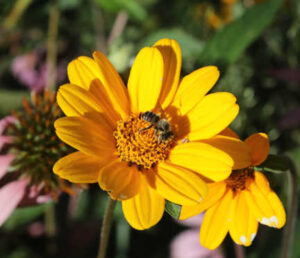
Megachiles leafcutter (Robert Weaver)
The nonstop work of pollinators not only ensures their survival, but is also crucial to human health and livelihoods. As they gather food for themselves, pollinators transfer pollen between flowers of the same species, facilitating fruit and seed production for about 85% of all flowering plants on earth.
Pollinator Week is recognized not just in Missouri, but internationally, and is a fitting occasion to reflect upon and learn about the thousands of species of native bees, flies, butterflies, moths, beetles, and other creatures that perpetuate the living world and contribute an estimated $30 billion to the U.S. agriculture economy and even larger sums to global economies every year.
“The Missouri Prairie Foundation and its Grow Native! program invites everyone to support pollinating insects, and we have many resources to help with this important endeavor,” said Carol Davit, executive director of the Missouri Prairie Foundation. Check out these and other resources available from the organization:
- The Grow Native! Guide for Beginning Native Plant Gardeners provides clear, step-by-step guidelines to help new gardeners incorporate native plants, which are critically important to pollinating insects, into home landscaping.
- The Grow Native! webpage Natives for Pollinators provides top ten plant lists and many other useful resources to help you help pollinators.
- The Grow Native! Native Plant Database allows gardeners to select plants that support pollinating insects, as well as plants for sun, shade, and other growing conditions.
- The Grow Native! Resource Guide to Suppliers of Native Plants & Products provides a directory to nearly 200 Grow Native! Professional members who sell native plants and seed and offer native landscaping and related services.
- Learn more about landscaping to support pollinators and about the importance of prairie conservation to pollinating insects via numerous, free recorded webinars available at the Missouri Prairie Foundation’s YouTube channel.
- Read about why prairies are so important to pollinator conservation in this Missouri Prairie Journal article on Native Bee-Plant Relationships on Missouri Prairies and additional articles on native bees, butterflies, and other pollinating insects of prairies here.
- All are invited to participate in protecting Missouri’s prairies for pollinating insects and generations of Missourians for many years to come by becoming a member or making a donation to the Missouri Prairie Foundation to help the organization continue to protect original prairie habitat for many rare pollinating insects and other plants and animals on prairies.
Attachments: Missouri Pollinator Week Proclamation, issued by Governor Kehoe’s office; native leafcutter bee on a native sunflower by Robert Weaver
The mission of the 60-year-old Missouri Prairie Foundation, a nonprofit, nationally accredited land trust, is to protect and restore prairie and other native grassland communities through land acquisition, management, education, and research. MPF also promotes the use of native plants through its Grow Native! program and supports the control of invasive plants through its administration of the Missouri Invasive Plant Council.