
CHESTER – Memorial Hospital successfully conducted a fullscale emergency preparedness drill on December 18, bringing together staff from across the organization, including participants from the Chester Rural Health Clinic, for a comprehensive training scenario designed to enhance readiness for realworld emergencies.
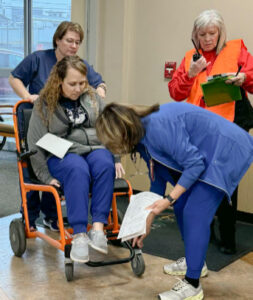
Mock patient being triaged by ER Nurse Manager Kim Ruebke.
The simulated event centered on a multivehicle accident involving a 12passenger van of students, creating a complex and fastmoving situation that required coordinated triage, treatment, communication, and family reunification efforts. Staff practiced critical skills including 2way radio communication, first aid, patient tracking, and emergency room care. New employees also had the opportunity to take part in incident command operations, gaining handson experience in leadership roles during highpressure situations.
A key component of the drill focused on family reunification. Volunteers portraying parents and a spouse arrived at the hospital seeking loved ones, allowing staff to practice compassionate communication, verification procedures, and reunification protocols. The exercise reinforced the importance of both clinical and emotional support during crisis events.
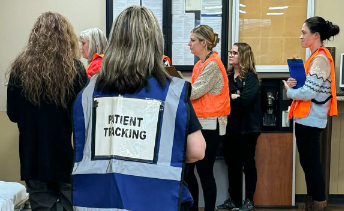
Staff prepared and ready for patients during drill.
Georgia Stipe, Emergency Preparedness Director at Memorial Hospital, facilitated the drill and praised the team’s performance. “These exercises are essential for ensuring our staff are confident, coordinated, and ready for anything,” Stipe said. “Every drill teaches us something new, and I’m incredibly proud of how our team worked together. Their dedication to preparedness directly strengthens the safety of our patients and our community.”
Hospital leadership noted that the drill ran smoothly, with staff demonstrating strong teamwork and adaptability. Lessons learned will be incorporated into future training sessions as Memorial Hospital continues its commitment to continuous improvement and emergency readiness.
Fullscale drills like this one play a vital role in preparing healthcare teams for real emergencies, ensuring that when seconds matter, staff are equipped with the skills, communication tools, and confidence needed to respond effectively.